
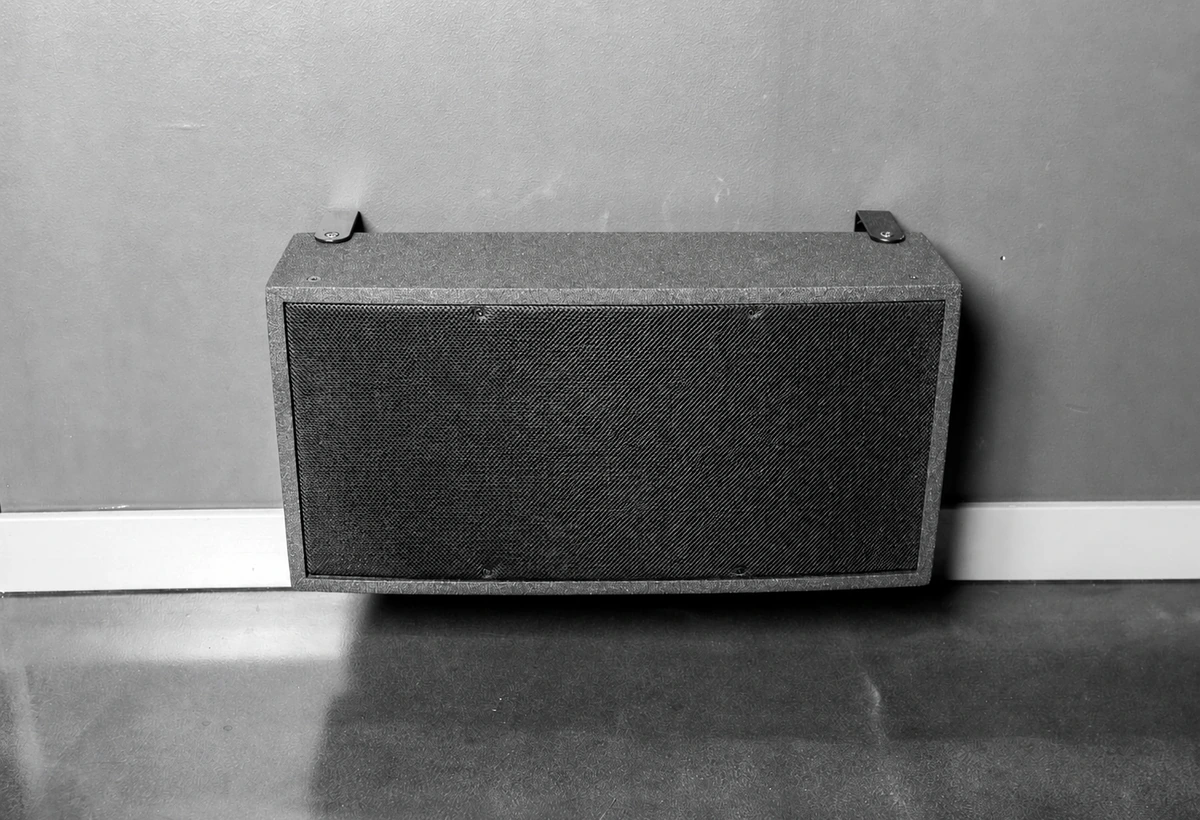
This guide is written for engineers and purchasing teams who need practical manufacturing decisions, not generic theory. Use it to prepare a cleaner RFQ, reduce revision cycles, and discuss the part with a supplier before cost and lead time are locked.
What buyers need to understand first
Small Batch Speaker Parts Before Full Production Tooling is not only a design topic. It is a sourcing, quality, and production-control topic. For professional audio products, a small bracket, grille, horn, waveguide, housing, or molded trim can influence assembly speed, cosmetic consistency, acoustic behavior, field durability, and final product margin. Buyers should look beyond the lowest unit price and ask how the part will be manufactured, inspected, packed, and repeated across future batches.
In a real RFQ review, the first useful question is not only whether the part can be made, but whether the chosen route will remain stable when the order changes from samples to repeat production. For professional audio brands, that means confirming the visible surfaces, assembly interfaces, and functional requirements before price negotiation begins.
A common mistake is treating every supplier quote as equivalent. Two suppliers may quote the same drawing using different assumptions about tolerance, finish, inspection, packaging, or material grade. When the quote is unclear, the lowest price may simply hide unresolved engineering questions.
Manufacturing route and process selection
The right manufacturing route depends on annual quantity, geometry, material, finish, tolerance, and whether the part is still in prototype stage. CNC machining is useful for aluminum housings, heat sinks, prototypes, knobs, brackets, and functional samples. Sheet metal fabrication is often better for grilles, chassis, plates, panels, and installation hardware. Injection molding becomes attractive when the geometry is plastic, the volume justifies tooling, and repeat cosmetic quality matters. Metalcorex reviews these tradeoffs before quoting so the RFQ can move toward a stable production method.
A supplier should be able to explain why a process is recommended. If CNC machining is suggested, ask which setups, tools, and inspection points drive cost. If sheet metal is suggested, ask about bend radius, flat pattern, hardware insertion, welding, and coating. If injection molding is suggested, ask about parting line, gate location, draft angle, texture, shrinkage, and tooling maintenance.
Another risk is approving a beautiful sample without discussing how it will be repeated. Samples are often handled carefully and inspected heavily. Production requires a clear standard that operators, inspectors, packers, and the buyer can all understand. Without that standard, small variations become disputes later.
| Process | Typical audio component use |
|---|---|
| CNC machining | Best for prototypes, aluminum hardware, heat sinks, knobs, and precise metal parts. |
| Sheet metal | Best for grilles, chassis, panels, brackets, plates, and formed hardware. |
| Injection molding | Best for plastic horns, frames, trims, knobs, and repeat molded production. |
Engineering details that affect cost and quality
Cost is usually controlled by a few engineering decisions: tolerance notes, wall thickness, undercuts, hole locations, surface finish, coating area, cosmetic class, assembly features, and packaging requirements. A drawing that marks every dimension as critical is harder to quote and inspect. A drawing that identifies only true functional interfaces helps the supplier focus measurement effort where it protects performance. For small batch speaker parts before full production tooling, this means separating acoustic or assembly-critical surfaces from non-critical cosmetic areas.
The best drawing package separates critical requirements from preferences. Critical items should be measurable: hole position, fit surface, thread, coating thickness, flatness, or acoustic geometry. Preferences can be discussed as cosmetic targets or packaging expectations. This distinction helps the manufacturer avoid over-processing non-critical areas while protecting the features that affect product performance.
Cost problems often come from over-specified drawings. Tight tolerances, sharp internal corners, unnecessary cosmetic requirements, and unclear finish notes can add machining time, tooling complexity, scrap, or rework. A focused DFM review can often reduce cost while keeping performance unchanged.
- Critical dimensions and datum references
- Material and finish callouts
- Visible cosmetic surfaces
- Assembly interfaces and fastener locations
- Packaging and export requirements
Quality control for repeat production
Professional audio brands need consistency across batches, not just one good sample. Inspection should cover critical dimensions, surface defects, thread quality, coating adhesion, color consistency, burrs, flatness, hole alignment, packaging protection, and traceability. For exported parts, photos, packing lists, commercial invoices, and clear carton labels reduce downstream friction. A useful supplier does not simply make a part; it helps prevent repeated small surprises during production and shipment.
For repeat audio component programs, quality control should be designed before the first production run. Define sample approval, first-article inspection, in-process checks, final inspection, packing inspection, photo records, and handling instructions. This is especially important for black powder-coated grilles, anodized aluminum parts, visible molded trims, and brackets used in installation or touring environments.
Packaging is easy to underestimate. Speaker grilles, anodized housings, powder-coated brackets, and polished trim can be damaged after inspection if packaging is weak. Export cartons, separators, protective film, labels, and pallet requirements should be discussed before production shipment.
For professional audio components, stable repeat production is more valuable than a sample that only looks good once.
RFQ checklist before sending drawings
A strong RFQ should include 2D drawings, 3D files, target material, finish, quantity, annual forecast, application, visible surface requirements, tolerance priorities, packaging needs, and destination country. If the part replaces an existing supplier, include the issue you are trying to fix: cost, lead time, finish variation, packaging damage, assembly fit, or inconsistent communication. This context helps engineering teams quote the right process instead of guessing from geometry alone.
Before sending an RFQ, include the business context. A prototype project may prioritize speed and engineering feedback. A supplier replacement project may prioritize consistency, documentation, and packaging. A cost-reduction project may prioritize tolerance review, process conversion, or material alternatives. The same CAD file can lead to different recommendations depending on the commercial goal.
Communication drift is also a real manufacturing risk. Revision changes, alternate materials, finish samples, and delivery priorities should be recorded clearly. A good supplier confirms assumptions in writing so engineering, purchasing, and production teams are working from the same version of the requirement.
FAQ
Can Metalcorex manufacture this type of professional audio component?
Yes. Metalcorex manufactures custom speaker and professional audio components to customer drawings, CAD files, samples, or functional requirements.
Should I request CNC machining, sheet metal, or injection molding?
It depends on material, geometry, quantity, tolerance, finish, and tooling budget. Send drawings for a DFM review and we can recommend the practical route.
What files help the quoting process?
STEP, STL, PDF, DXF, DWG, material notes, finish requirements, target quantity, annual forecast, and photos of similar parts are useful.
Can you support prototypes and repeat production?
Yes. Metalcorex supports prototypes, small batches, tooling evaluation, production runs, finishing, assembly, packaging, and export documents.
Summary
Small Batch Speaker Parts Before Full Production Tooling should be evaluated through engineering function, manufacturing process, tolerance strategy, finish expectations, inspection, and repeat production support. The best RFQ gives the supplier enough context to recommend a stable route instead of quoting blindly.
Related Articles
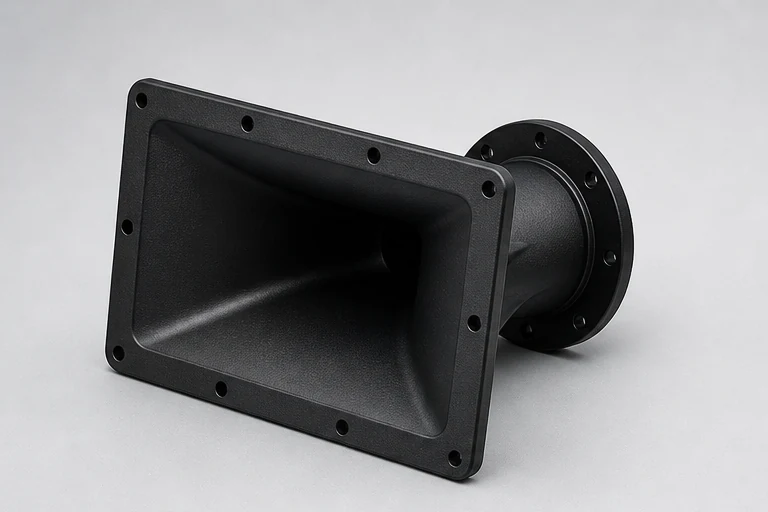
Compression Driver Waveguide Manufacturing Guide
Compression Driver Waveguide Manufacturing Guide explained for professional audio brands sourcing custom professional audio components from an OEM manufacturing partner.
Read article
Speaker Horn Manufacturing: CNC Prototype or Injection Mold
Speaker Horn Manufacturing: CNC Prototype or Injection Mold explained for professional audio brands sourcing custom professional audio components from an OEM manufacturing partner.
Read article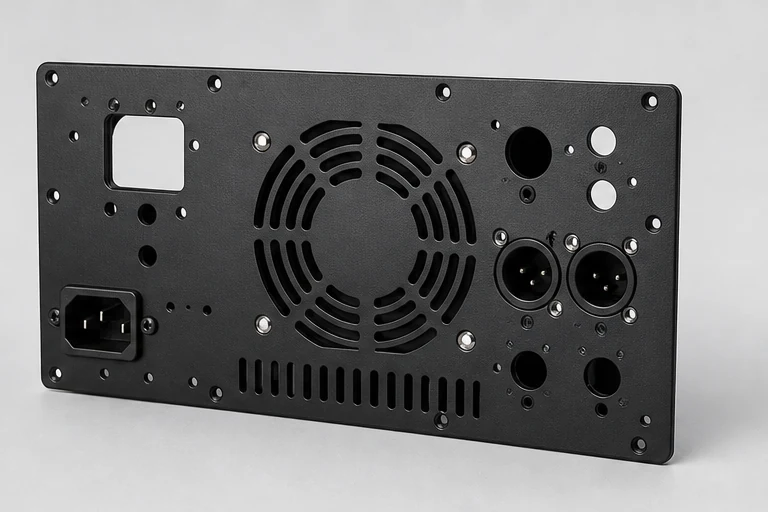
Speaker Back Plates and Terminal Cup Component Manufacturing
Speaker Back Plates and Terminal Cup Component Manufacturing explained for professional audio brands sourcing custom professional audio components from an OEM manufacturing partner.
Read article